University Mars rover platform — I led the circuit-simulation and PCB-design side for the team.
Overview
The rover is the project I learned the most from, mostly because nothing about it is "just electronics". You have a mechanical team, a software team, a mission plan, a deadline and a chassis that keeps changing shape, and your boards have to live with all of that.
I led the circuit-simulation and PCB-design work — the power-distribution board, the connectors, the harnesses, the integration with motor drivers and the comms subsystem. A lot of the job was making sure the board was repairable in the field, not just elegant on paper.
Specifications
RoleLead, Circuit Simulation & PCB Design
MicrocontrollerSTM32 / Arduino-class controllers
ModulesMotor driversPower distribution boardRobotic arm electronicsCommunication modules
ProtocolsUARTI2CSPIPWMRF
Tech tagsMars RoverPCB DesignRoboticsPower DistributionEmbedded Systems
Architecture
Rover architecture separates power distribution, drive control, robotic arm control, and communication. PCBs and harnesses connect these subsystems into one serviceable platform.
Project photos
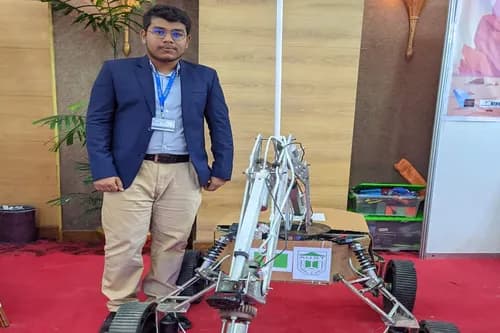
Rover platform
Field test view
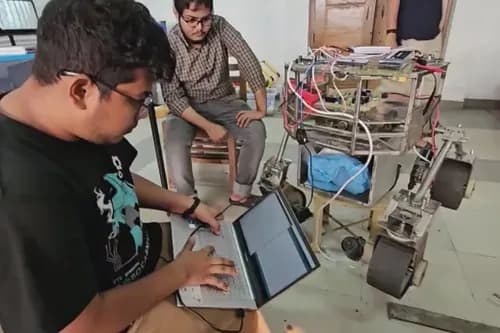
Electronics integration
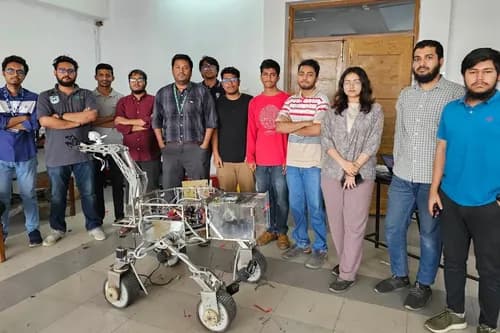
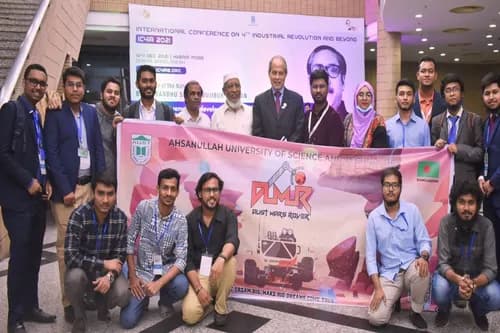
Team and rover work
Videos
Implementation details
Firmware
Firmware and electronics supported motor control, actuator interfaces, subsystem communication, and sensor/telemetry routing across the rover.
PCB
Designed and reviewed PCBs for rover electronics, focusing on wiring reduction, maintainability, current paths, connector placement, and competition serviceability.
Power
Rover electronics require robust power distribution for motors, logic, communication, and sensors under vibration and field conditions.
Components / BOM
Custom power distribution PCB, Motor driver modules, Microcontroller boards, Communication modules, Connectors and wiring harness
Engineering challenges
High-current motor lines next to low-voltage logic, connectors that have to survive vibration, and a board that has to be understandable by a teammate at 2am when something fails during testing.
Solutions
Modular subsystem layout, careful connector grouping with clear labels, generous test points, and a lot of conversations with the mechanical team before locking any layout.
Results & metrics
Supported the AUST rover platform through electronics design and integration for field testing.
Future improvements
Per-rail current monitoring, a small telemetry dashboard, better labelled harnesses and environmental sealing for the next version.